
2026-10-17 ·
Roof Leak Warning Signs After Heavy Rain in Longview, TX
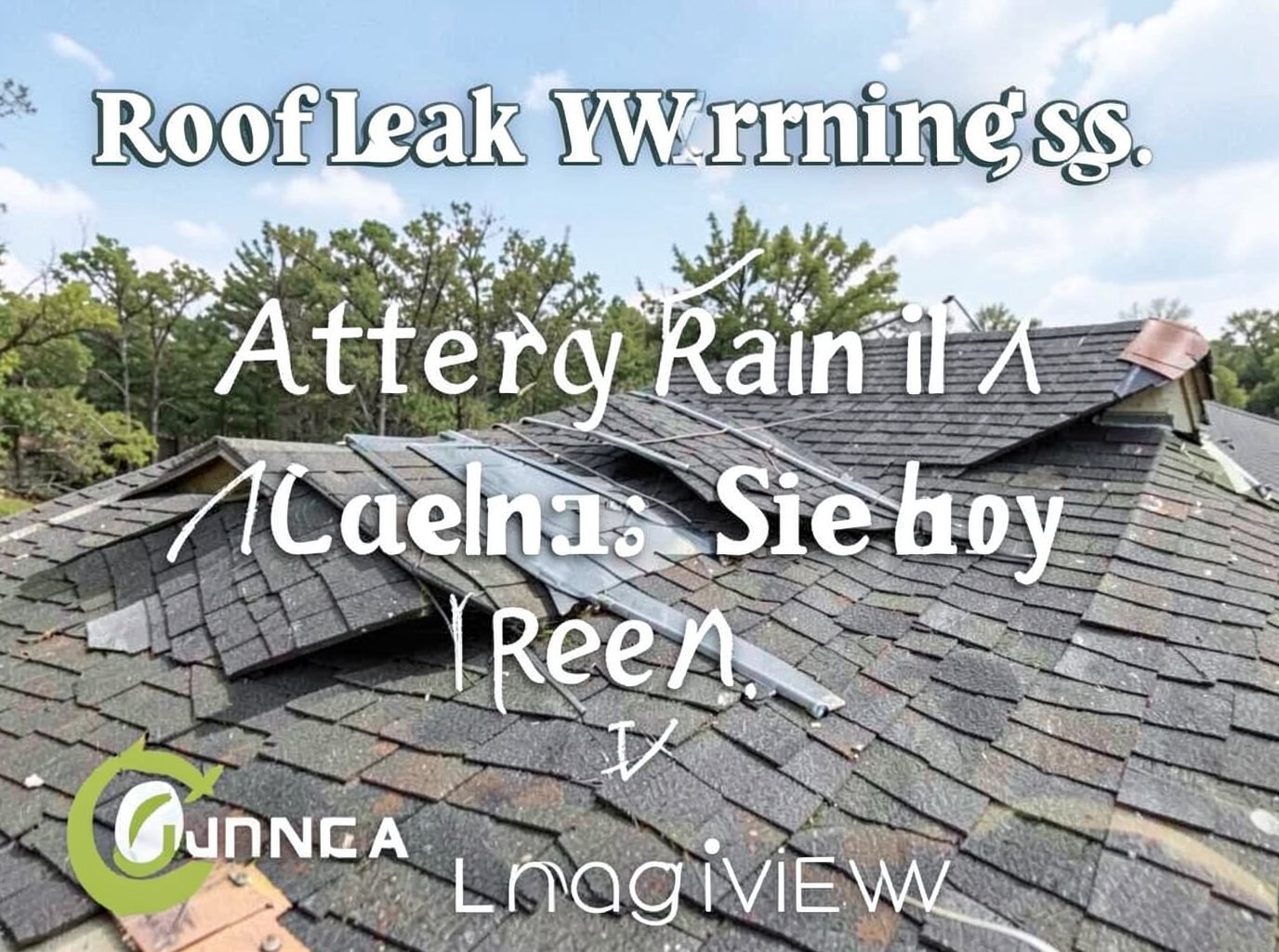
After heavy rain from thunderstorms that roll through Gregg County, the first roof leak warning signs often appear within 24 to 48 hours inside Longview homes. Look for new water stains on ceilings, damp insulation in the attic, and musty odors that develop once moisture sits in older pine-framed houses common in Pine Tree and North Longview neighborhoods.
Attic Checks After Thunderstorms
Start in the attic the morning after a storm passes. Shine a flashlight across rafters and look for dark streaks on wood or wet spots on fiberglass batts. In homes built before 1980 that line Eastman Road and Judson, original felt underlayment often fails first along nail lines, letting water track inward. Mild winter temperatures keep these leaks active longer because freeze-thaw cycles are rare. Check near the chimney and plumbing vents where flashing has shifted from decades of expansion in humid summers. If you find active drips, note the exact rafter bay so a technician can match it to the exterior slope later.
Ceiling and Wall Stains in Local Housing Stock
Water that reaches interior finishes shows up as yellow-brown rings on drywall, especially in single-story ranches throughout Spring Hill and around the Longview Public Library area. These rings widen after each thunderstorm because trapped moisture has nowhere to evaporate in high-humidity conditions. Pay attention to popcorn ceilings in older Downtown Longview properties; the texture hides small drips until they soften and flake. Baseboards along exterior walls in Pine Tree homes may also cup or discolor when water follows the wall cavity from a compromised ridge vent. Measure any new stain weekly; growth beyond two inches usually means the leak is still active.
Exterior Clues Around Longview Roofs
Walk the perimeter after rain stops and inspect gutters for overflow at joints, a frequent issue on asphalt-shingle roofs in East Longview. Debris from nearby pine trees clogs downspouts on properties near Maude Cobb Convention Center, forcing water under shingles at the eaves. Check metal flashing around skylights and pipe boots for lifted edges; summer heat makes sealant brittle, and the next thunderstorm drives water underneath. In neighborhoods near Longview Mall, look for granules in gutters after heavy rain; losing more than a cupful signals shingle wear accelerated by repeated hail and wind events common in the region.
How Local Weather Patterns Affect Leak Detection
Longview’s hot humid summers followed by mild winters with frequent thunderstorms create repeated wetting and slow drying cycles that stress every roof component. Homes in White Oak and Kilgore experience the same pattern, so leaks discovered here often trace to the same underlayment failures. Because winters stay above freezing, water can sit in the attic for weeks without obvious exterior ice damage, making interior signs the earliest reliable indicator. Track storm dates on a calendar; leaks that appear three or four days after rain usually point to slower wicking through decking rather than active holes.
When to Schedule Professional Assessment
If any of these signs appear, schedule an inspection with a roof leak repair specialist familiar with Gregg County construction. Technicians can trace moisture with infrared cameras without tearing ceilings. For widespread damage after major storms, review the related guide on storm and wind damage when to repair or replace a roof in Longview, TX. Residents in Spring Hill, TX often combine this check with storm damage roof repair to address multiple small penetrations at once. The business operates from Longview, TX with hours Monday through Friday 8am–6pm and Saturday 9am–2pm.